marketing
Nobody Finds Your Shop by Accident: A Real Marketing Plan for Small Sellers
Vol. 1 of our marketing series. A quiet shop isn’t a bad product, it’s a discovery problem. Here’s the actual plan to fix it.
Marketing, Vol. 1
Here's a moment nearly every new seller goes through, usually within the first week. The shop is live. The products look good. The link is ready to share. And then... nothing happens. No orders. Maybe not even a visit.
The instinct that follows is almost always wrong, and it's worth naming because it quietly convinces good sellers to give up on good products: maybe my shop isn't good enough.
It almost never is that. A shop with zero visitors and a shop with zero sales are two completely different problems, and confusing them is the single most common mistake a new seller makes. If nobody has seen your shop yet, no amount of fixing the shop itself will produce a sale. You don't have a product problem. You have a discovery problem, and discovery has an actual plan behind it, not a vague feeling that you should "post more."
This is that plan. Six steps, in order, each one building on the last.
Step 1: Start with the people who already trust you
The cheapest customer you will ever get is someone who already knows you. Before you spend a single naira or a single hour chasing strangers, go through your own phone. Family, friends, people in your WhatsApp groups, people who've bought from you before in a DM. Tell them the shop exists. Ask them to look, even if they don't buy.
This isn't beneath you, and it isn't "just favours." It does two real things. First, it gets your first few genuine orders, which matter more than you'd think, because a shop with zero orders looks untested, and a shop with a handful of real orders looks alive. Second, and more valuable long term, it gets you your first honest feedback from people who'll actually tell you the truth about what confused them or what they loved.
Step 2: Go where your customers already are, not where you wish they were
A common trap: picking a platform because it's trendy, not because your actual customers are there. Before you decide where to spend your marketing energy, ask a simple question: where does the person who buys my kind of product already spend their time scrolling?
If you sell to young, fashion-conscious buyers, that's almost certainly Instagram and TikTok. If your product needs more explanation, something people research before buying, a bit of Facebook and even WhatsApp status updates go further than you'd expect, particularly with an older or more local audience. Don't split your limited time and energy evenly across every platform that exists. Pick the one or two where your actual buyer already lives, and go deep there instead of thin everywhere.
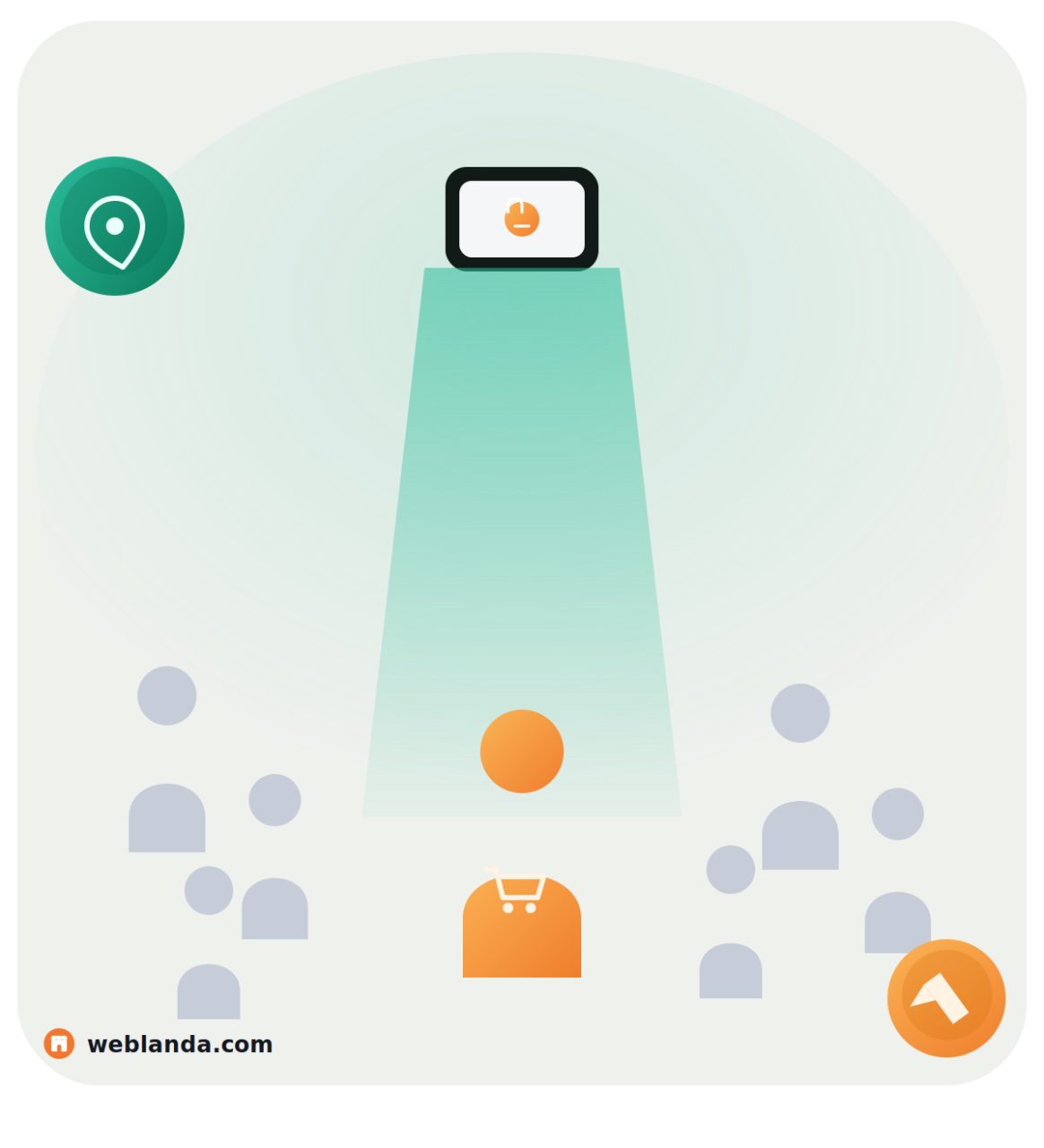
A flat photo of an item on a plain background answers one question: what does this look like? It doesn't answer the question that actually moves someone to buy: what will this do for me?
The content that consistently outperforms plain product shots is the product in motion, in life. Someone wearing the dress, not just the dress on a hanger. The skincare going onto actual skin, not just the jar. The shoes on actual feet, walking. This doesn't need a professional camera or a studio. It needs a phone, decent light, and the product genuinely being used the way a customer would use it. People buy the feeling of the after, not the object itself.
Step 4: Answer the question before it's asked
Every product has a handful of questions that come up again and again, in the comments, in DMs, in "does this run small?" and "how long does delivery take?" Instead of treating these as interruptions to answer one at a time, forever, treat them as free content ideas. A short post or story answering "how long does this last" or "what size should I order" does two things at once: it removes a barrier for the next ten people who had the exact same question but never asked, and it shows you actually understand your own product, which quietly builds trust.
Step 5: Make it easy to say "I bought this too"
Word of mouth is still the most powerful marketing that exists, and most sellers do almost nothing to help it happen. A customer who loves what they bought is a walking advertisement, if you give them an easy, natural reason to show it off. A small unboxing touch. A note that says "tag us, we repost our favourites." A tiny discount for the next order if they share a photo. None of this needs to be expensive. It needs to exist at all, because most sellers never ask, and most happy customers simply never think to post unprompted.
Step 6: Consistency beats intensity, every time
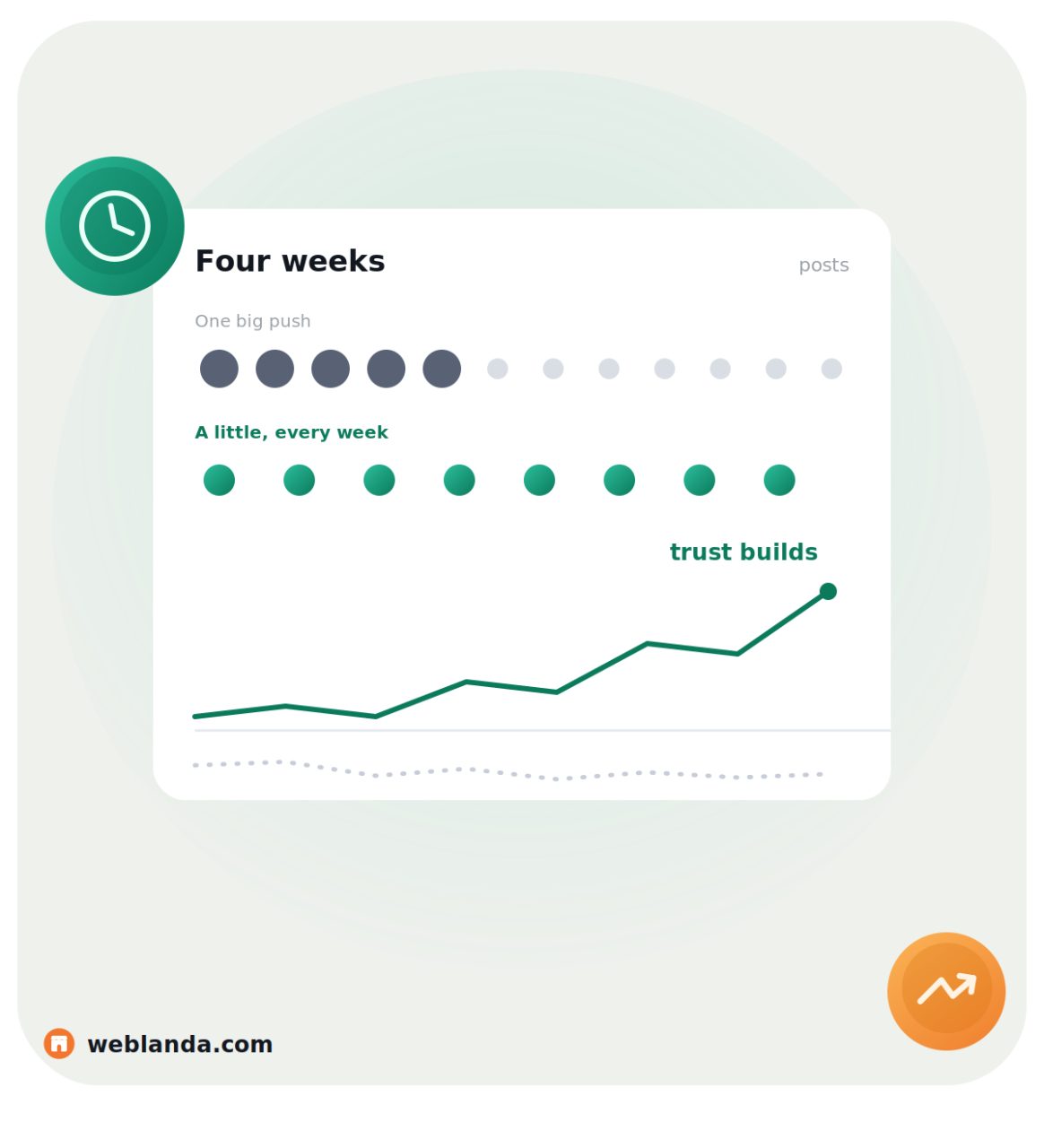
The mistake that quietly kills more small shops than bad products ever do: posting hard for a week, seeing modest results, and going quiet for a month. Marketing, at this scale, is closer to farming than hunting. A small, steady rhythm, a few posts a week, every week, for months, will outperform an intense burst followed by silence, almost every time. Platforms reward accounts that show up regularly, and customers need to see something several times before they trust it enough to buy. One perfect post rarely does the job that ten ordinary, consistent ones will.
Start with the people who already trust you. Show up where your actual buyers are, not everywhere at once. Show the product in use. Answer questions before they're asked. Make sharing easy. Then keep showing up, at a pace you can actually sustain, for longer than feels necessary.
A quiet shop was never a signal that something is wrong with what you're selling. It's a signal that not enough of the right people have seen it yet, and now you have an actual plan to fix that.
This is Vol. 1 of our marketing series for small sellers. Vol. 2 is coming.